
Vampire Implants™ Protocol · Dr. Henry Qiu · Downey, CA
UV-Activated Implants.
The Biology I Don’t Skip.
A titanium implant loses surface bioactivity within weeks of leaving the factory. The morning of surgery I run it under UV light for 15 minutes to wake it back up, then add platelet-rich plasma from your own blood. It’s how I treat the diabetics and smokers other offices turn away.
From the surgeon
What UV-activation actually does to a titanium implant.
UV-activated dental implants are ordinary titanium dental implants that I treat with 15 minutes of UV light the morning of surgery. That step strips off the surface contamination titanium picks up in storage and wakes the surface back up, so your bone meets a freshly reactivated, super-hydrophilic surface instead of a chemically tired one. In my hands it is probably the single best technology I have, and it is the surface science behind every implant in our guide to dental implants. (If terms like photofunctionalization and osseointegration are new, the glossary defines them in one line each.)
Here is the problem it solves. A titanium implant comes out of the factory with a beautiful surface, the titanium oxide layer is freshly formed, super-hydrophilic, and ready to grab bone-forming cells aggressively. Published in-vitro work puts initial osteoblast adhesion near 90 percent of the theoretical maximum. That is the surface you want against your bone. The trouble is it does not stay that way.
Hydrocarbons from the ambient air, present even inside sealed sterile packaging, settle onto that surface within hours of manufacture. After about four weeks of storage, bioactivity drops to roughly 50 to 60 percent; after a year it is around 40 percent. This is the “biological aging” of titanium documented in the photofunctionalization literature, much of it the work of Dr. Takahiro Ogawa, my professor at UCLA. Most implants placed today have sat in storage 6 to 24 months, they are biologically aged before anyone ever opens the package.
UV photofunctionalization reverses that aging. Fifteen minutes under specific UV wavelengths in a chairside device breaks down the adsorbed hydrocarbons and restores the surface to its near-pristine, super-hydrophilic state, roughly 90 percent surface activation afterward versus 50 to 60 percent on a stored implant, and about a threefold jump in osteoblast adhesion in the in-vitro data.
What that means for you: the surface your bone is bonding to is dramatically more alive. In one histomorphometric study, bone-to-implant contact rose to about 88 percent with UV treatment versus 58 percent without, the kind of 50-to-100-percent gain the UCLA work first described. Integration runs about 30 percent faster, and the extra blood flow is exactly what lets me place implants for diabetics and other compromised-healing patients and for smokers who would be turned away elsewhere. This is not marketing copy, it is the chemistry of what UV light does to a titanium oxide surface.
UV activation is a property of the titanium surface I place, not a separate implant, if you’re still deciding between materials, I compare every type of implant, titanium and zirconia on its own page. For how all of this feeds the long-term numbers, I wrote up the dental implant success rate in plain terms.
Who I built this for
The patients other offices turn away.
The harder your healing biology, the more this protocol does for you. These are the people I most often hear were told no somewhere else, and the ones for whom UV activation plus your own PRP makes the biggest measurable difference.
Diabetics (A1c 7.0 and up)
High blood glucose slows the bone-building cells and starves the site of blood flow. A well-controlled diabetic under an A1c of 7.5 behaves, in my hands, almost like a healthy non-smoker. Because UV activation plus PRP drives more circulation to the implant, I can take diabetics up to roughly an A1c of 9, with a frank conversation and a signed consent that it can still fail, in which case I redo it.
Smokers and ex-smokers
Nicotine clamps down your blood vessels right when the gums need blood most. The first four to six weeks after placement are the critical window for the seal to form, and that is exactly when a heavy smoker loses an implant. UV activation plus PRP front-loads bone-to-implant contact into that window, and every smoker I treat also gets a custom smoker’s guard that shields the site.
Older patients
Bone turns over more slowly with age, there is less blood supply in the jaw, and more calcium and less marrow. UV photofunctionalization hands even slower-healing bone a freshly reactivated, super-hydrophilic surface to grab onto. I have placed implants for patients into their late 80s on this protocol, the extra circulation is doing the heavy lifting.
Compromised circulation
Peripheral vascular disease, chronic kidney disease, autoimmune conditions, prior radiation to the head or neck, anything that throttles blood flow to the surgical site throttles healing. Your own PRP brings stem cells, growth factors, and the white blood cells that fight infection straight to the implant, and the UV surface is primed to receive them. It is the closest thing I have to leveling the playing field.
Failed implants from elsewhere
When an implant fails at another office it is usually one of three things: a biologically aged surface, bone that was too soft to hold it, or healing biology nobody supported. UV-activated titanium plus PRP addresses all three. I have revised plenty of failed-from-elsewhere arches, most often overseas cases with no maintenance behind them, and rebuilt them so they integrate.
Low bone density and osteoporosis
Soft bone on a CBCT scan, or bisphosphonate medication that decreases circulation in bone, is what gets a patient turned away, or quoted round after round of grafting, somewhere else. The high osteoblast adhesion of a UV-activated surface lets me work with marginal bone other protocols cannot reliably integrate into. When the bone is borderline, the surface chemistry is what carries it.
The Vampire Implants™ Protocol
Five steps. Every single implant.
- 01
Your implant arrives sealed, and biologically aged
The FDA-cleared titanium I use ships in sealed sterile packaging, but sterile is not the same as fresh. Hydrocarbons from the air bind to the titanium oxide surface within hours of manufacture, and after a few weeks of storage its bioactivity has fallen from about 90 percent to 50 to 60 percent. Most implants placed anywhere have sat in storage for months. That is the surface I am about to reactivate.
- 02
UV photofunctionalization, 15 minutes, surgery morning
The morning of your surgery I load the implant into a chairside UV device for 15 minutes. Specific UV wavelengths break down the adsorbed hydrocarbons and restore the surface to a near-pristine, super-hydrophilic, high-bioactivity state, roughly 90 percent surface activation versus the 50 to 60 percent it walked in with. This is the step almost every other office skips.
- 03
Your own PRP, drawn and spun
While the implant is under the UV light, I draw a small amount of your blood and spin it in our centrifuge. The platelets concentrate into a layer of platelet-rich plasma loaded with your own growth factors, no donor tissue, no cadaver bone, just your biology. Blood is what carries stem cells, growth factors, and the white cells that fight infection, and I want all of it at the implant.
- 04
Atraumatic, CT-guided placement
I place the now-reactivated implant through a CBCT-planned surgical guide, drilling slowly to keep heat and friction down so I do not kill the bone I am trying to integrate into, and I torque to the optimal level rather than cranking it. The PRP goes right at the implant-bone interface. If an implant ever seats too high, I retire it and place a fresh one, I never reuse an implant.
- 05
Faster integration, wider safety margin
The reactivated surface plus your PRP shortens integration by about 30 percent versus a standard-protocol implant, often the integration milestone near month 3 instead of month 4. For a healthy patient that means a faster final restoration; for a diabetic, a smoker, or an older patient, it is a meaningfully wider margin of safety in the window that matters most.
With UV vs without UV
~90% vs ~50% surface activation.
Reactivated titanium shows roughly 3x greater osteoblast adhesion than an untreated, stored implant in the published in-vitro data, and UCLA measured 50 to 100% more bone-to-implant contact. Across the 2,000+ implants I have placed, that translates to about 30% faster integration and a wider safety margin in my diabetic, smoker, and low-bone-density cases. It is standard on every implant at 5D Smiles, with no upcharge.
What the data actually says
“UV photofunctionalization restores the bioactivity titanium loses sitting in storage. Fifteen minutes under UV light the morning of surgery, and the surface is alive again, about 30% faster integration, and far more bone contact. It came out of UCLA, where I trained under the professor who developed it. I use it on every implant.”
The American Dental Association cites a 90 to 95% implant success rate over 10 years when proper protocols are followed, and the American Academy of Implant Dentistry reports above 97% in healthy non-smokers. On the UV question specifically, a histomorphometric study found bone-to-implant contact near 88% with UV treatment versus 58% without, and a clinical systematic review and meta-analysis found photofunctionalization significantly improved implant stability and osseointegration speed by two months. None of that replaces good maintenance, though, the seal and the bite are what carry an implant for decades. I cover how I prevent implant failure and how long implants really last on their own pages. Every patient gets this protocol here, regardless of how complex the case or how tight the budget.
Financing for every patient
Millionaire money strategies,made possible by friendship.
The kind of moves usually reserved for ultra-high-net-worth clients. We open them up for our patients through banking relationships built over years.
Special
0% APR Loans up to
$60,000
HSA/FSA Eligible
Estimate your monthly
months
$150/mo
≈ $4.93 /day
About the price of a daily coffee. ☕
$20,000 at 9% APY, interest-only. $150/mo, principal never amortizes.
Related treatments
Explore related treatments
Teeth in a day
Same-day, immediate-load full arches. Reactivating the surface widens the margin for loading them right away.
All-on-6
Six implants per arch under a full-arch zirconia bridge, the platform I most often pair with UV activation.
An All-on-6 case study
How UV-activated implants helped compress a full-arch journey into a single surgical day.
Frequently asked
About UV-activated dental implants
- UV photofunctionalization is a chairside step I run on a titanium implant the morning of surgery. The implant sits in a tabletop device under specific UV wavelengths for about 15 minutes. That energy breaks down the hydrocarbons that bound to the surface during storage and restores the titanium oxide layer to a super-hydrophilic, high-bioactivity state. Published in-vitro work shows roughly 90 percent surface activation afterward, versus about 50 to 60 percent on a stored, untreated implant.
Take 2 minutes
See if you’re a candidate.
The cases I built this protocol for are the ones other offices turn away. Tell me about yours and I review it personally within one business day.
Or call (562) 923-4538
Looking for something else?
Other ways we can help.
One surgeon, and a full range of treatments. Pick the path that fits your goal.
 Starts at $20,000 / arch
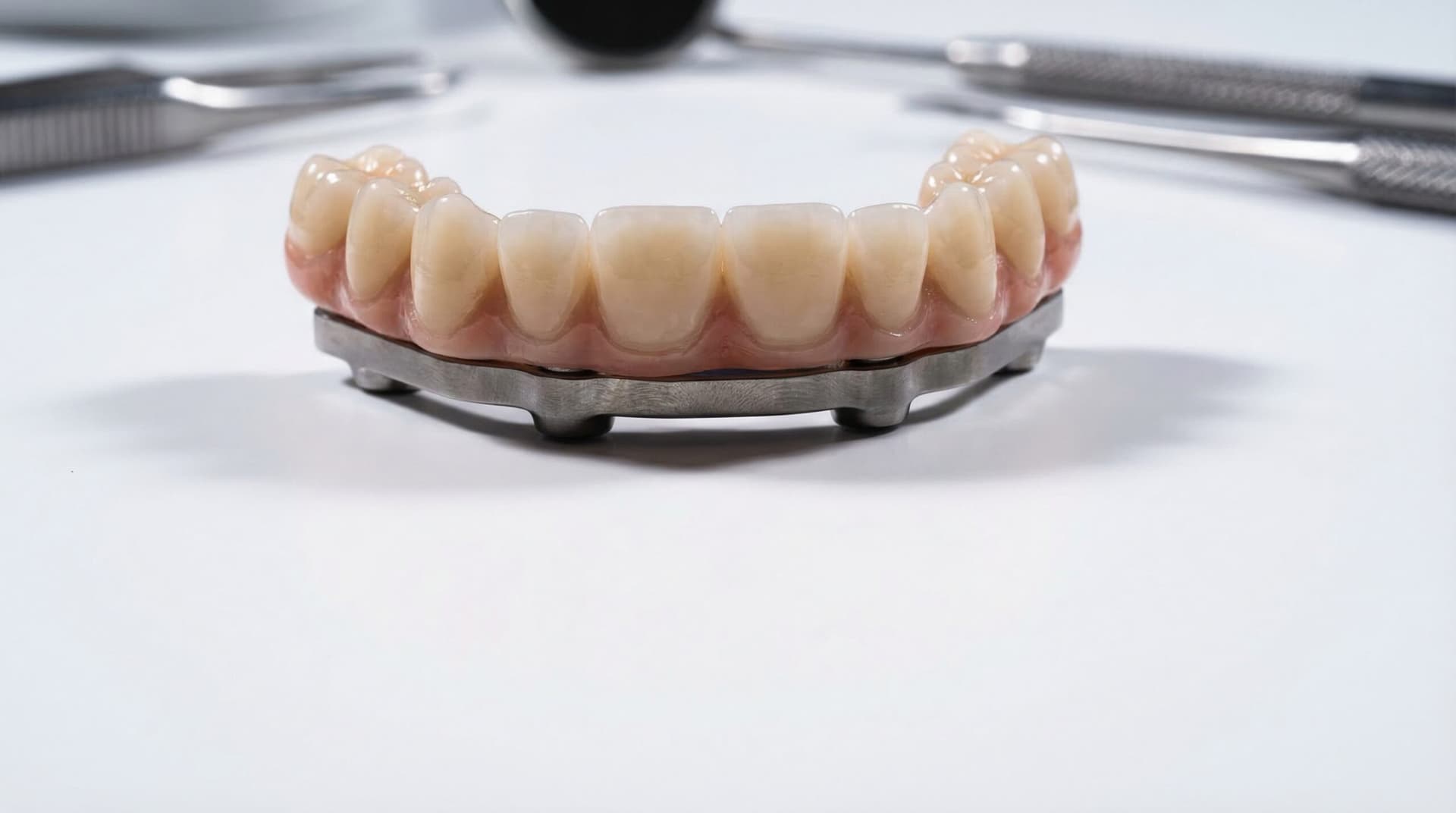
All-on-6 · Permanent Teeth in a Day
Walk in. Walk out smiling. Six implants, not four, built to outlast a single failure.
Explore Custom pricing
Cosmetic Dentistry
Whitening, smile design, makeover. 1,000+ smiles transformed.
Explore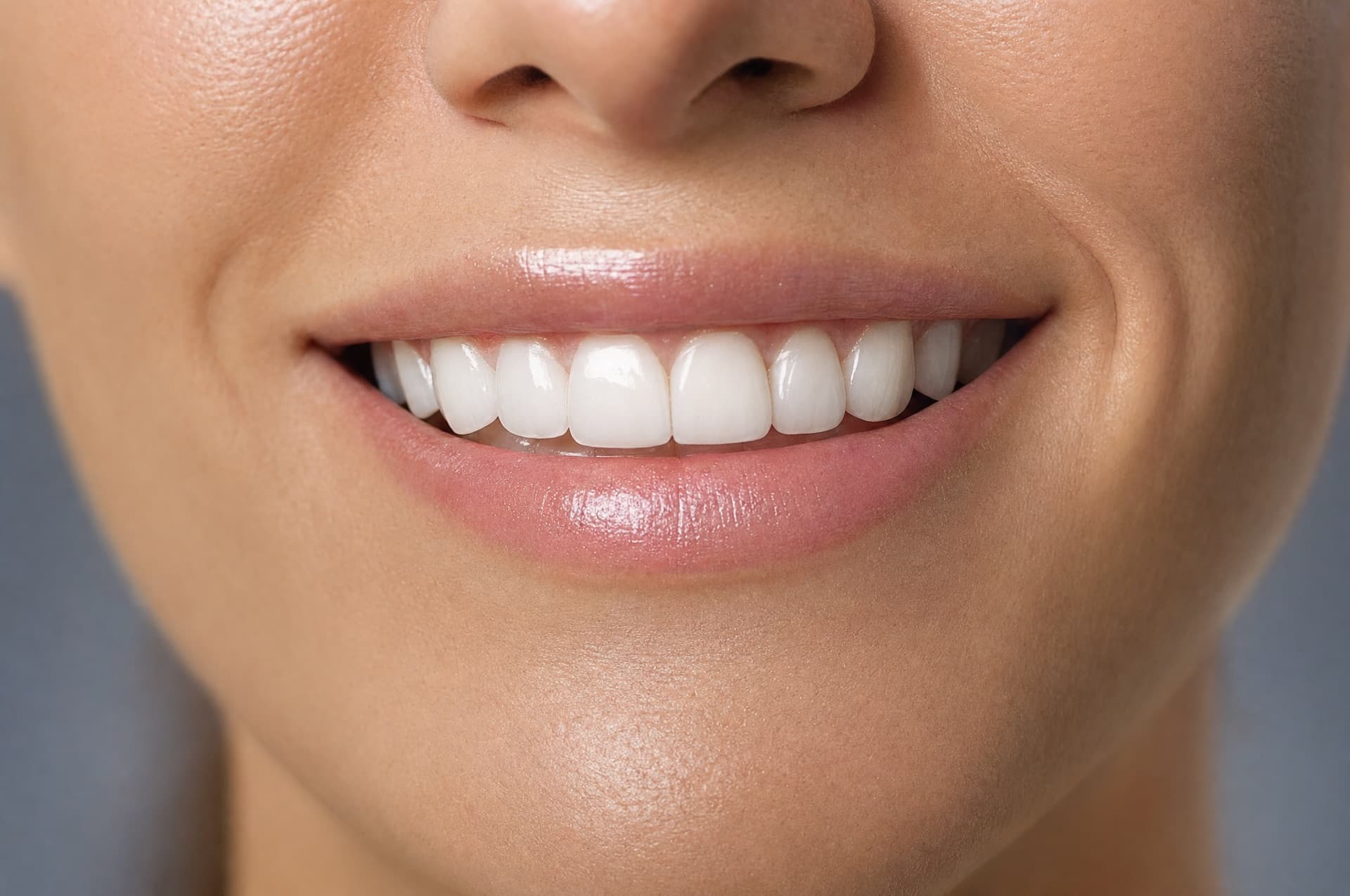 From $1,800 / tooth
Veneers
Fix your smile in two visits. Digital smile preview.
Explore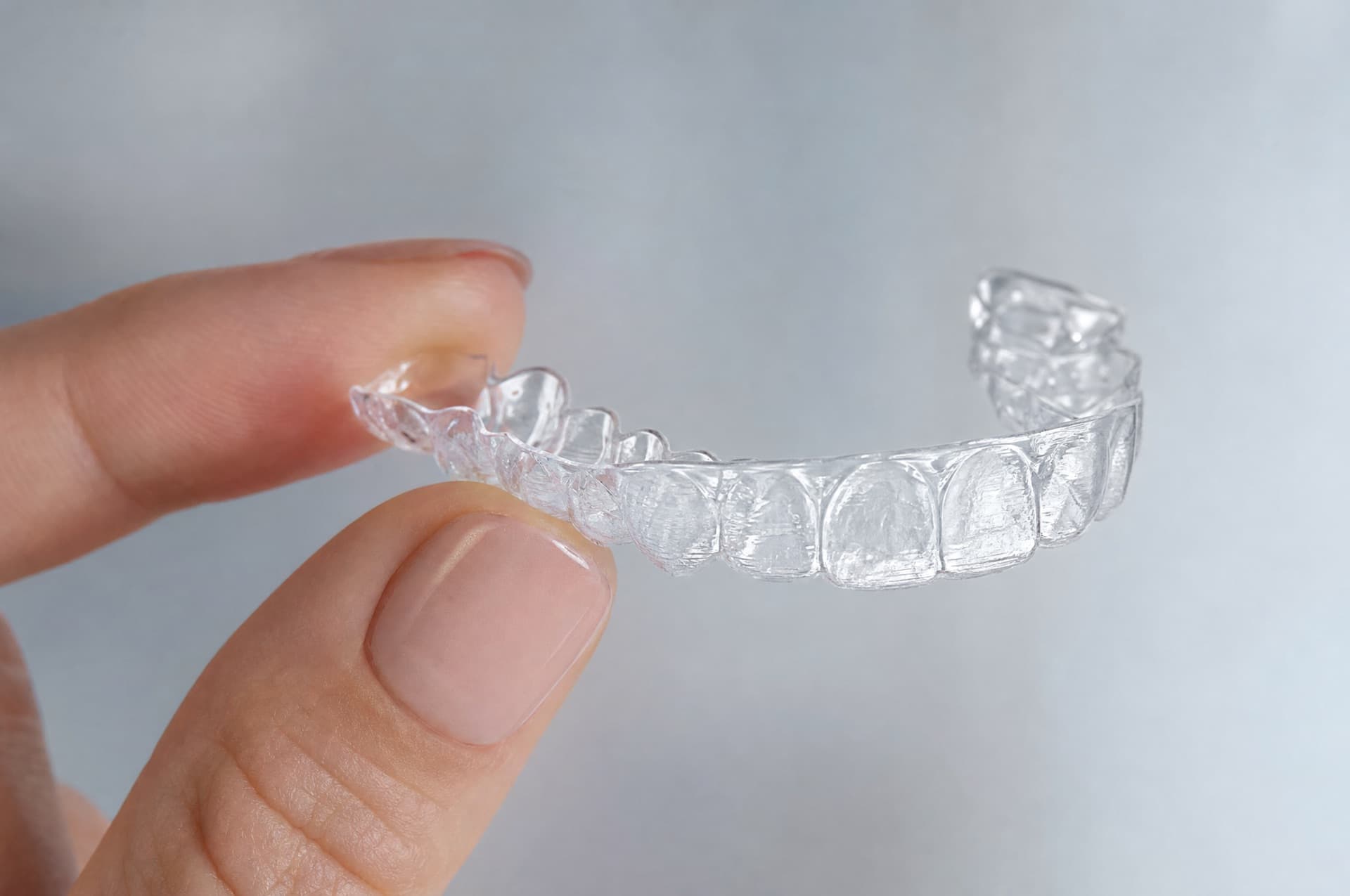 From $4,500
Invisalign
Straight teeth in 6–18 months. Nobody has to know.
Explore
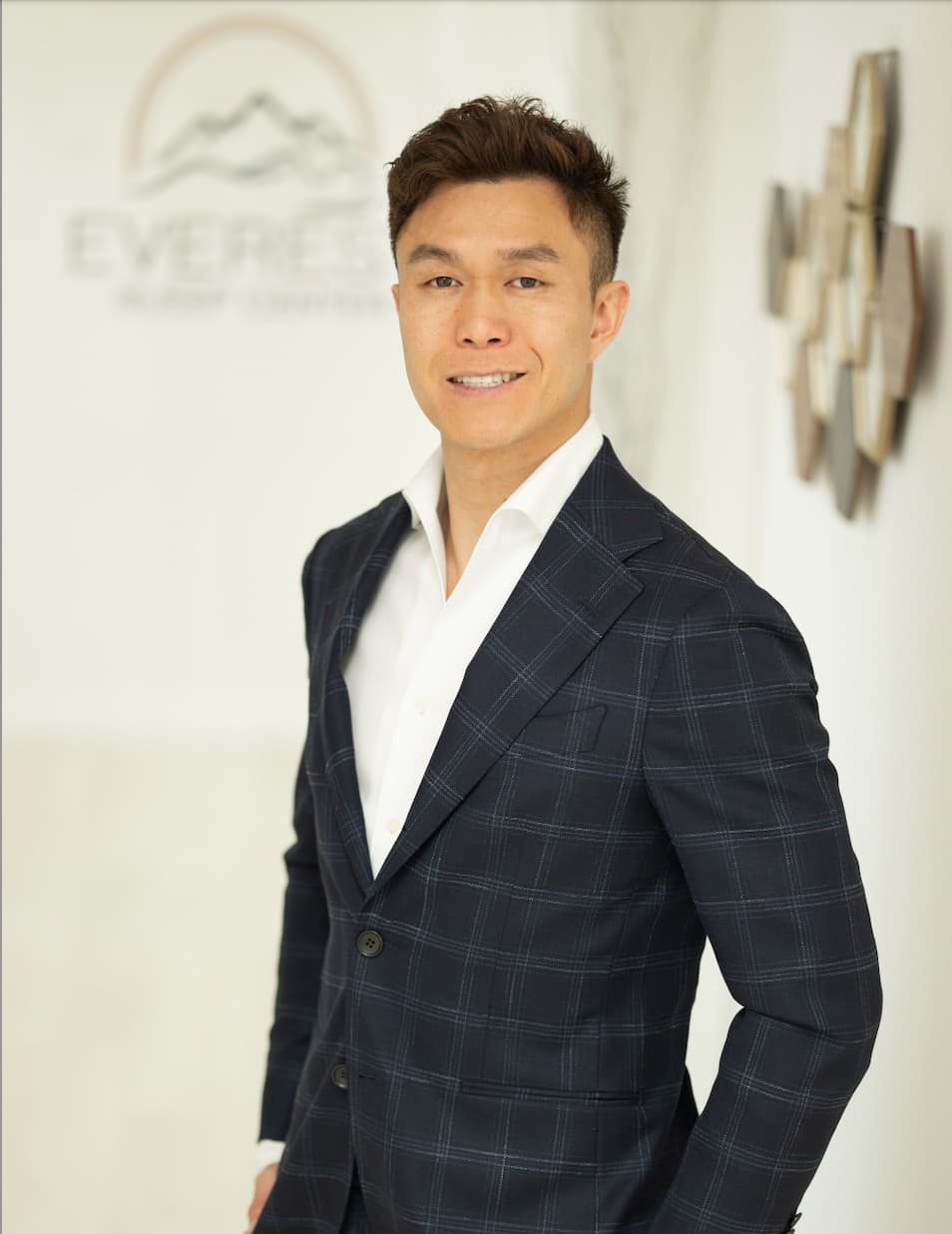
Your Implant Dentist
The doctor in the room is the one who does everything.
When you book a consult, you're not meeting a sales coordinator. You're meeting me. I'll personally read your CBCT, draft your treatment plan, and quote your exact price, start to finish.
Dr. Henry Qiu, DDS
UCLA Trained · DIO Implant Faculty & Instructor
References
- TiO2 micro-nano-hybrid surface to alleviate biological aging of UV-photofunctionalized titanium.. PubMed Central (NIH).
- Photofunctionalization of Dental Implant Surfaces - A Histomorphometric Animal Study.. PubMed Central (NIH).
- Implants. American Dental Association (MouthHealthy).
- What Are Dental Implants?. American Academy of Implant Dentistry.
- Clinical Effects of Photofunctionalization on Implant Stability and Marginal Bone Loss: Systematic Review and Meta-Analysis.. PubMed Central (NIH).
Written by Dr. Henry Qiu, DDS. Sources are peer-reviewed studies and recognized health authorities.