
Dental Implants Abroad
Dental Implants Abroad: What the Cheap Quote Really Costs
If you are comparing a low quote from Tijuana or Istanbul against a US number and the gap looks enormous, you are not being foolish. You are doing rational math, and the gap is real. I am a implant dentist in Downey, and my goal on this page is not to scare you out of going abroad. It is to hand you the true total cost of a case, the questions that protect you at any clinic anywhere, and the US options to try first if budget is the only thing standing in your way. People looking for teeth do not want to be sold. They want to make a good decision. So let me help you make one.
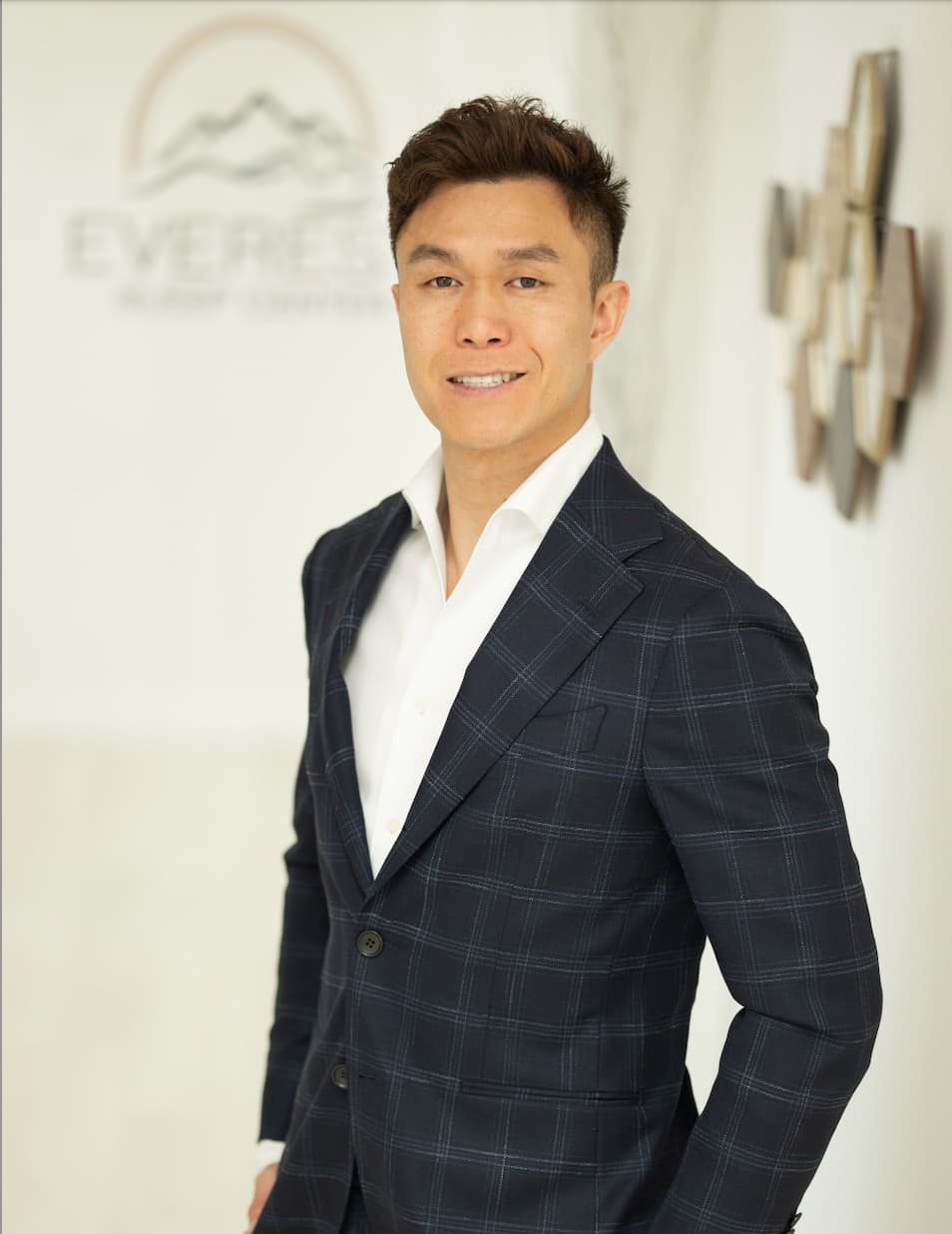
Written by the surgeonUCLA-trainedUpdated 2026-06-26
01
Why people fly abroad for dental implants (and why that's not crazy)
US implant prices are high, and you are right about that. Full-arch work in this country runs in the tens of thousands of dollars per arch, and when you set that next to a quote a fraction of the size from a clinic a short drive across the border, the gap is not your imagination and it is not a trick. A reader comparing those two numbers is doing exactly the math a careful person should do. I would do it too, and I wanted that on the record before I say a single word about risk.
There is another half, said just as plainly. Dental tourism is a real industry, not a con by definition. Some overseas surgeons trained well, place a high volume of implants, and produce good work, and there are patients walking around today with excellent implants placed in Mexico, Turkey, and Costa Rica. Naming those countries is fair, and you came here partly to read about them, so I will. What I am not going to do is pretend that geography decides quality, because it does not. A bad case can be done twenty minutes from your house, and a beautiful one can be done across an ocean.
My actual thesis runs underneath this whole page, and it is the belief my practice is built on: good dentistry is work you only pay for once. The price you are quoted is a single number among several. The real cost of implant work shows up later, and only if the work has to be done a second time, because a redo means lost days at work, the discomfort of being numbed and cut again, and more money spent on a problem you thought you had already solved. That lens, not the word foreign, is what I want you to judge every quote against, mine included.
There are two villains in implant pricing, and I want to name both so you trust the framing. One is the clinic that charges far above the honest cost of the work, padding the bill with overhead and add-ons you did not need, and large chains and PE-backed clinics are very good at that. That villain lives on the cost of full-arch implants page. This page is about the other one: the quote priced below the honest cost of the materials and the protocol. Neither extreme is your friend, and the goal is not to swing from one to the other. By the end of this page you will have the true-total-cost math and the exact questions to ask any clinic, here or abroad, so you can tell the difference yourself.
02
The true total cost of a cheap quote abroad
The first thing to fix is the headline number, because the cheap quote is a line item, not the total. The total is the quote plus round-trip flights, plus lodging for the placement trip, plus lodging and flights for any follow-up trips, plus meals, plus the days of work you do not get paid for, plus the cost of a whole second trip if something needs a revision.
I am not going to invent a figure for your case, because I do not know your city, your season, or your employer. What I can do is give you the structure and tell you to fill in your own numbers honestly, including the one most people leave at zero: time off work is a real cost, and for an hourly earner it can rival the airfare.
Airfare and lodging swing widely, often hundreds to a few thousand dollars per trip depending on where you fly and when, and full-arch implant treatment is rarely one appointment. It is staged over months while bone heals, which can mean a return trip or two. So write down the realistic number of trips, not the optimistic one, and add them up before you compare anything. A quote that looks like it saves you many thousands can shrink fast once two trips and two weeks of lost pay are on the page next to it.
At a cost-of-goods level, the very cheapest quote is structurally suspect, and this is the part that tells you why. A quality implant fixture (the titanium post that fuses to your bone), a custom-milled titanium bar (the framework your teeth attach to), real zirconia teeth (the hard ceramic that lasts, as opposed to softer acrylic), a 3D CBCT scan (the detailed x-ray that maps your jaw before surgery), sedation, and bone grafting each have a hard floor cost that no clinic anywhere can wish away.
Picture a steakhouse selling the dinner for less than the butcher charges them for the raw cut. Something off the menu got swapped to make the math work, and you find out what when you cut in. When a full-arch quote drops below the honest sum of those parts, the savings are coming from a substitution you cannot see on the invoice.
For context, not for embarrassment: the ADA's research on US dental fees is the basis for the tens-of-thousands-per-arch baseline in this country, and that is the legitimate number a good overseas surgeon is competing against. A skilled surgeon abroad with lower overhead can genuinely come in under it and still do real work. The quote to distrust is the one priced under the cost of the goods themselves, here or there.
I have written out exactly what tends to get cut at a too-low full-arch price on the cost of full-arch implants page and the what they really quoted page, so I will not re-derive it here. For your case, the number that matters is your exact price in writing at the consult, not a figure I guessed for you. And keep the thesis close: a number that looks like a win up front is only a win if it never has to be redone.
03
What happens when something needs a redo (and who pays)
This is the center of the whole decision, and it is the part the package prices are quietest about, so I want to slow down here. It is not a scare. It is a logistics and responsibility problem, and it gets sharper the farther away your surgeon is. Implants fail at a real baseline rate even in excellent hands, roughly three to seven percent of them fail early, around the time of placement and healing, and even at twenty years a long-term meta-analysis of implant survival puts survival at roughly four out of five implants.
Those two numbers are not in conflict: a small early-failure rate is fully compatible with some additional loss spread across two decades. That is not an abroad-specific claim. It is true everywhere, including in my office in Downey. Implants are one of the most reliable things we do, and they are still not perfect. Anyone who quotes you a hundred percent is selling, not informing.
Because that baseline exists no matter who places the implant, the follow-up plan matters more than the placement price. When an implant fails or the bite comes in wrong, four plain things have to be settled, and you can carry them into any consultation: who diagnoses it, who pays for the revision, who actually performs it, and who follows up over the years it takes bone to settle around the work. Hold those together, because a clinic can have a great answer to one and no answer to the rest.
Here is where distance bites. A complication months later leaves you two choices. You fly back, which is a second set of flights, more lodging, and more time off, the redo trip nobody budgets for. Or you walk into a local US office that did not place the implant, may not have your records or your original scan, owes you no warranty on another clinic's work, and will charge you to diagnose and redo it. Say you had four implants placed overseas and a year after you got home one starts to feel loose. The placement was fine on the day. The trouble is that the person responsible for it is a border or an ocean away, and the office nearby has no obligation to fix it for free.
On the money question, said carefully and without naming any clinic: many rock-bottom quotes carry no meaningful warranty at all, or one that is only honorable in person at the original clinic. So in practice, a US redo on that work comes out of your pocket. Contrast that with a written warranty honored locally, which means the clinic that did the work is also the clinic that stands behind it, in the same chair, at no surprise cost to you.
The real cost was never the quote. It was the redo, the lost time, and the discomfort of doing it twice. I go deeper on the numbers and the fine print on the implant failure rate page and the implant warranty guide, and the point to take from here is narrow and important: I am not telling you implants fail more often abroad. The differentiator is continuity and who pays for the redo, not a failure-rate gap I would have to invent to scare you.
04
How a rock-bottom quote gets to rock bottom
A quote this low usually got there in one of four places, and I find it more useful to show you where than to accuse anyone of anything. The four levers are materials, protocol, diagnostics, and follow-up. None of them are visible from the headline price. All of them are visible in a written itemization, which is the whole reason I will keep pushing you toward one.
Materials is the most common lever. A cheaper implant fixture, where the brand and the surface treatment genuinely affect how readily bone grows onto the post, lowers the price and trades away some of the science that makes integration reliable. Acrylic teeth instead of milled zirconia lowers it again, and you trade durability for the savings, because acrylic is softer and wears faster. A stock bar instead of a custom-milled titanium one lowers it once more, at the cost of the precise fit a milled framework gives. Each swap is a real saving and a real trade, and you are entitled to know which ones were made on your behalf.
Protocol and diagnostics are the quieter levers. A thinner workup, fewer or no 3D CBCT scans, less time per case, and the skipping of biologic steps, the techniques that help bone and blood supply heal well, which matter even more if you are diabetic or a smoker, all cost a clinic chair time and supplies, so cutting them cuts the price. I care about those steps a great deal, which is why I wrote separate pages on dental implants with diabetes and dental implants for smokers. And follow-up is the lever that vanishes most silently of all: the cheapest quotes often price the placement only, leaving every post-op visit over the months your bone needs to integrate out of the number entirely.
I want to be scrupulously fair here, because the lever is the price floor, not the country. This is how any below-cost quote is built, in Mexico or in a strip mall down the street, and large chains itemize these exact same cuts right back to you at the surgical visit once you have committed. The mechanism underneath all of it is simple biology: bone locks onto an implant only when the fixture surface and a healthy blood supply let living bone cells migrate across and anchor it, like roots taking hold in well-watered soil rather than in dust. Cut the fixture quality or skip the steps that protect blood supply, and you have changed the odds of that anchoring before the surgery even starts.
So what this means for you is steady and not cynical: the quote is not lying to you. It is telling you what is in the room. The written itemization is where you get to read it.
05
Dental implants in Mexico: Tijuana, Los Algodones, and Cancun
Mexico is the largest dental-tourism destination for US patients, and for good reason, so let me give it a fair and specific look. Los Algodones packs so many dental offices into a few blocks that people call it Molar City, and along with Tijuana it is a short drive for Southern California readers, while Cancun pairs treatment with an actual vacation. The convenience is genuine, good clinics exist in all three, and if you live where I do, the math for Mexico is the strongest honest case for going abroad that there is.
So I will say it directly: the short drive from SoCal really does shrink the travel-cost line item compared with flying to Turkey, and that changes the calculation in Mexico's favor. What the drive does not solve is the part of this page that matters most. A full-arch case is months of healing, not a single appointment, so the question is not just who places the implants on day one. It is who manages months one through six, and who handles a complication a year later. Proximity helps with the first visit far more than it helps with the long tail of follow-up, and a year-later problem is still a trip, even a short one, and still a clinic you have to drive back to rather than one twenty minutes away.
On verification, do not guess and do not take the brochure's word for it. Confirm that the surgeon placing your implants is a credentialed specialist, that the clinic uses a recognized implant system rather than an unnamed one, and that materials and every follow-up visit are itemized in writing before you book. These are not special suspicions reserved for Mexico. They are the same questions you should ask any US clinic, which is the whole point of the framework lower on this page. One more like-for-like caution: many Mexico quotes are written for four implants, so before you compare prices, make sure you are comparing the same plan. The All-on-4 vs All-on-6 page and the All-on-4 cost page will help you line them up honestly.
I will offer the local contrast without pushing it, because your decision is yours. For a Downey or greater-LA reader, the entire follow-up gap closes when the surgeon is a few minutes away, and that is a real factor to weigh against a real saving, not a reason for fear. Mexican dentistry is not a lesser category, and I would not insult it or you by pretending otherwise. Across the months of healing and the small chance of a redo, nearness has a price you can actually name, and only you can decide what that number is worth to you.
06
Dental implants in Turkey and Costa Rica: the all-inclusive package math
Turkey and Costa Rica belong in the same section for one honest analytical reason: both are a flight, not a drive, which changes the math in the same direction. Istanbul in particular is a major dental-tourism hub built around all-inclusive packages that bundle the hotel, the airport transfers, and the treatment into one price, and some of those clinics are high-volume and genuinely skilled. The appeal is genuine: a low package price plus a trip you might have wanted anyway.
Apply the framework where it bites hardest, though, and the picture sharpens. Turkey and Costa Rica mean intercontinental or international flights, so both the ordinary travel-cost line item and, more importantly, the cost of a redo trip are far higher than in the Mexico border-drive case. A revision here is not a day trip you squeeze into a weekend. It is another long-haul flight, more lodging, and more days off, for a problem that the three-to-seven-percent baseline says will occasionally happen to someone no matter how good the surgeon is. The farther the redo, the more it costs you in money, time, and discomfort, which is the entire reason getting it right the first time is worth so much.
A word on the all-inclusive package itself, and this logic is country-neutral. A bundled price can be excellent value, or it can hide the same four cuts I described above, precisely because the bundle format makes line-by-line itemization harder to see. So ask for it broken out anyway. Make them show you the implant system, the tooth material, the scan, the sedation, and every post-op visit as separate lines, the same way you would at home. If a package resists being itemized, that resistance is itself information.
Two more realities to plan around. Full-arch treatment is typically staged over months for proper healing, so a one-week package is compressing or front-loading steps, and you are owed a clear answer to how healing and the final set of teeth are handled if you are only in-country briefly. And the continuity gap is at its widest here: with an ocean between you and your surgeon, local follow-up and warranty service stop being footnotes and become the practical thing the whole decision turns on, well ahead of the headline savings. None of this is a reason not to go. It is the set of things to have answered, in writing, before you do.
07
The questions to ask any clinic before you book, here or abroad
This is the part I most want you to keep, because it serves your decision instead of steering it. Four questions, portable to any clinic on earth, including mine. Screenshot them, print them, take them to every consultation, and watch how the room responds, because how a clinic answers these tells you more in five minutes than a glossy website tells you in an hour.
Question one is the itemized written quote. Insist on a line-by-line document: the implants, the abutments or bar, the final teeth and exactly what material they are made of, the sedation, the scan, the extractions, the grafting, and every post-op visit. A number you cannot get in writing is not a price, it is a teaser, and you should treat it like one.
Question two is who actually performs the surgery and what their credentials are. Ask for the name and qualifications of the surgeon placing the implants, not just the clinic's brand, how many of these specific cases they do, and whether the same person sees you at follow-up.
Question three is who pays for and performs the redo, and you ask it before you travel, never after. If an implant fails or the bite is wrong, who diagnoses it, who pays for the revision, and who performs it and where? Get the answer out loud while you still have leverage. Question four is the warranty and continuity of care: what does the warranty actually cover, for how long, and, the part that matters most, where can it be honored, only in person at the original clinic, or by a provider near you? And who manages the months of healing in between? These four travel anywhere. They are not the twelve-row comparison I built on the choosing your implant practice page or the them vs us breakdown, which go deeper on how my office stacks up. This is the portable version you carry everywhere.
I want you to hold my office to exactly this standard, so here is how we answer it, briefly, with no pitch attached. You get an itemized written quote at the consult. I perform every surgery myself, so the person who answers for the work is the person who did it. A redo is handled locally under a written warranty, in the same chair. And you come back to the same office for follow-up through the whole healing period. I am not asking you to take that on faith. I am asking you to make me prove it with the same four questions you ask everyone else.
That symmetry is the point. If a clinic, anywhere, answers these four cleanly and in writing, you are in good hands. If it dodges them, you have learned something that matters more than the price. More on what a real quote looks like is on the what they really quoted page.
08
If budget is the only barrier: honest US options before you book a flight
This page is not for everyone, and I would rather lose you here than waste your time, so let me disqualify it for one specific reader. If money is the only thing standing between you and treatment, a flight is the wrong first move, and I will route you to the levers I would try at home before you ever buy a ticket. Going abroad is not irrational, and some overseas surgeons are genuinely excellent. But if budget is the sole barrier, there are usually closer answers, and I would be doing you a disservice not to lay them out plainly first.
Start with financing, and I mean the partners I actually use, not vague reassurance. Cherry, CareCredit, and Proceed Finance can spread a case into monthly payments, so the work gets paid for over time instead of borrowed against a passport and a long flight. The one caveat, and read this twice: deferred-interest promotions can bite hard if you miss the payoff window, because the interest you thought was waived was only postponed and can land retroactively. Read the terms before you sign. Used with eyes open, monthly payments are often the whole solution for a reader who panicked at a single big number.
If financing alone does not get you there, phase the treatment. You do not have to solve your entire mouth in one transaction. We can stabilize the worst quadrant now and complete the rest as cash allows, which for someone in price panic is frequently the real answer. Or do one arch this year instead of two. And if a full arch is more than the moment can bear, a single titanium implant from $3,500 is a smaller, lower-risk first step than a full-arch decision made under budget pressure, with more on staged and budget-friendly approaches on the affordable dental implants page. The point of all of these is the same: there is almost always a next step that does not require a plane.
And if, after financing, phasing, one arch, and a single-implant start, the number still does not work and a good clinic abroad does, then go, and go to a good one. I would far rather you get treated well somewhere else than treated badly to save a flight. My office in Downey was built for people who were turned away or burned before, and every person on the team speaks Spanish, because good dentistry is dentistry that does not have to be redone.
If you have heard no before, the told no page was written for you. When you are ready, come get your exact price in writing and a plan you can actually keep. Book a consult at /book or call us at (562) 923-4538. The decision stays yours.
References
- Health Policy Institute. American Dental Association, Health Policy Institute.
- How far can we go? A 20-year meta-analysis of dental implant survival rates.. PubMed Central (NIH).
- Medical Tourism. Centers for Disease Control and Prevention.
Written by Dr. Henry Qiu, DDS. Sources are peer-reviewed studies and recognized health authorities.
Keep reading
More from the surgeon's notes.
The True Cost of Full-Arch Implants
What an honest full-arch price actually includes, and what quietly gets cut when a quote drops too low. The above-cost villain, examined.
Read moreWhat They Really Quoted You
How to read a treatment plan line by line so a single big number cannot hide what is, and is not, included.
Read moreChoosing Your Implant Practice
A deeper, point-by-point look at how to evaluate any implant clinic, and how an independent practice compares to a chain.
Read moreDental Implant Failure Rate
The honest numbers on why implants fail, the three-to-seven-percent baseline, and what actually moves your odds.
Read moreImplant Warranty Guide
What a real written warranty covers, where it can be honored, and why locally-honored matters more than the headline.
Read moreDental Financing Options
The financing partners we actually use, how monthly payments work, and the deferred-interest trap to read for.
Read moreAll-on-4 vs All-on-6
Why the number of implants changes the case, so you can compare an overseas four-implant quote like-for-like.
Read moreWhen You've Been Told No
For the patient who has been turned away or told they are not a candidate, and what is actually possible.
Read more