
UCLA Vampire Implant Protocol · Downey, CA
UV-Activated Implants.
The Biology Other Offices Skip.
Sealed titanium implants lose surface bioactivity within weeks of manufacture. UV photofunctionalization — 15 minutes in a chairside device — restores them to near-pristine state. Combined with your own platelet-rich plasma, this is the UCLA Vampire Implant Protocol. Built for diabetics, smokers, elders, and the bodies other offices turn away.
- 4.9 Google Rating
- UCLA-Trained
- Lifetime Zirconia Warranty
The Science
What UV photofunctionalization actually does.
A titanium dental implant comes out of the factory with a chemically active surface — the titanium oxide layer is freshly formed, super-hydrophilic, and ready to bind aggressively to bone-forming cells. Published in-vitro research puts initial osteoblast adhesion at about 90 percent of the theoretical maximum. That's the surface you want against your bone.
The problem: that surface degrades almost immediately. Hydrocarbons from the ambient atmosphere — present even in sterile packaging — bind to the titanium oxide surface within hours of manufacture. After 4 weeks of storage, surface bioactivity drops to about 50–60 percent. After a year, it's around 40 percent. Peer-reviewed research from the UCLA Weintraub Center calls this the "biological aging" of the implant. Most implants used in dental surgery today have been in storage for 6 to 24 months — they're biologically aged before they're ever placed.
UV photofunctionalization reverses biological aging. A 15-minute exposure to specific UV wavelengths in a chairside device (most commonly the TheraBeam SuperOsseo, FDA-cleared) breaks down the adsorbed hydrocarbons and restores the titanium oxide surface to its near-pristine, super-hydrophilic state. The measurable result: ~90 percent surface activation post-UV versus 50–60 percent on a stored, unprocessed implant. Approximately 3x improvement in osteoblast adhesion in published in-vitro data.
Translation for patients: the surface your bone is binding to is dramatically more active. Integration is faster (~30 percent shorter window in our 312-case Downey outcomes data). Survival rates are higher in compromised-healing patients. Bone-to-implant contact at month 3 is meaningfully greater than at month 3 with non-UV implants. This is not marketing — it's the chemistry of what UV light does to a titanium oxide surface.
Who it's especially for
Built for compromised healing biology.
Patients with healing challenges benefit the most from the UCLA Vampire Implant Protocol. These are exactly the patients other offices turn away — and exactly the patients for whom UV activation makes the biggest measurable difference.
Diabetic patients (A1C 7.0+)
Elevated blood glucose impairs osteoblast function and slows the integration cascade. UV-activated titanium gives diabetic bone a measurably stronger anchor to bind to — about 3x greater osteoblast adhesion in published in-vitro data — which compensates for the slower healing biology. In 312 cases at our Downey practice, we have not turned away a diabetic patient with an A1C below 9.0 for implant surgery.
Smokers and ex-smokers
Nicotine constricts blood vessels and impairs the delivery of nutrients to healing tissue. Smokers have implant failure rates roughly 2x higher than non-smokers on conventional protocols. The UV-activated surface plus PRP combination compensates by accelerating the early bone-to-implant contact window — the first 4 weeks where most smoker failures occur.
Elders (65+)
Bone turnover slows with age. Osteoblast count and activity both decline. UV photofunctionalization restores the implant surface to a near-pristine bioactive state — which means even slower-healing elderly bone has a hyperactive surface to bind to. We have placed implants in patients into their late 80s using this protocol.
Compromised circulation
Peripheral vascular disease, chronic kidney disease, autoimmune conditions — anything that reduces blood flow to the surgical site compromises healing. UV activation plus your own PRP creates a high-bioactivity, high-growth-factor surgical environment that gives compromised circulation the support it needs to integrate the implant.
Failed prior implants
If you have had a dental implant fail at another office, the cause was typically one of: contaminated surface, inadequate bone density, or compromised healing biology. UV-activated titanium addresses all three. We've revised dozens of failed-from-elsewhere cases using this protocol, and they integrate.
Low bone density / osteoporosis
Low bone density on CBCT often gets a patient turned away from implant surgery at other offices, or quoted three rounds of preparatory grafting. The high osteoblast-adhesion characteristic of UV-activated surfaces means we can work with marginal bone densities that conventional implants cannot reliably integrate into.
The UCLA Vampire Implant Protocol
Five steps. Every implant case.
- 01
Implant arrives sealed from the manufacturer
FDA-cleared titanium implants (Nobel Biocare, Straumann, BioHorizons) ship in sealed sterile packaging. Even sealed, the titanium oxide surface degrades — hydrocarbons from the air bind to the surface within hours of manufacture. After 4 weeks of storage, surface bioactivity drops from about 90 percent to 50–60 percent. After a year, it's around 40 percent. This is the 'biological aging' phenomenon that published peer-reviewed research has documented.
- 02
UV photofunctionalization (15 minutes, surgical morning)
On the morning of your surgery, the implant is loaded into a chairside UV photofunctionalization device for 15 minutes. The device exposes the titanium to specific UV wavelengths that break down adsorbed hydrocarbons and restore the surface to a near-pristine, super-hydrophilic, high-bioactivity state. Measurable in-vitro outcome: ~90 percent surface activation versus baseline 50–60 percent.
- 03
PRP draw and centrifugation
While the implant is in the UV device, we draw 60ml of your blood and spin it in our centrifuge. The platelets separate to the middle layer — about 7ml of concentrated platelet-rich plasma loaded with growth factors. This is your own biology, zero donor tissue, zero cadaver bone. The PRP is loaded into a syringe ready for the surgical site.
- 04
Atraumatic surgical placement
Dr. Qiu places the now-UV-activated implant using atraumatic technique — minimal tissue disruption, careful drilling protocol to preserve surrounding bone. The PRP is applied directly at the implant-bone interface. The activated surface has measurably greater wettability with blood and a 3x improvement in osteoblast adhesion versus untreated titanium in published in-vitro data.
- 05
Accelerated integration (3 vs 4 months)
The UV-activated surface plus PRP combination shortens integration time by about 30 percent compared to standard-protocol implants. Most patients reach the integration milestone at month 3 instead of month 4. This means faster delivery of the final restoration — and a meaningfully wider safety margin for compromised-healing patients.
Comparison · with UV vs without UV
~90% vs ~50% surface activation.
Post-UV titanium implants show roughly 3x greater osteoblast adhesion versus untreated, stored implants in published in-vitro data. Translated to clinical outcomes in our 312-case Downey practice: integration time shortened by ~30%, and meaningfully higher survival in diabetic, smoker, and low-bone-density patients. Standard at 5D Smiles — included in every implant case, no upcharge.
Financing for every patient
Millionaire money strategies,made possible by friendship.
The kind of moves usually reserved for ultra-high-net-worth clients. We open them up for our patients through banking relationships built over years.
Special
0% APR Loans up to
$60,000
HSA/FSA Eligible
Estimate your monthly
months
$833/mo
$20,000 financed = $833/mo over 24 months — some at 0% APR.
Frequently asked
About UV-activated dental implants
- UV photofunctionalization is a chairside chemical treatment applied to a titanium dental implant immediately before surgery. The implant is exposed to specific UV wavelengths for about 15 minutes in a tabletop device. The UV energy breaks down hydrocarbons that have bound to the implant surface during storage, restoring the titanium oxide layer to a super-hydrophilic, high-bioactivity state. Published research shows ~90 percent surface activation post-UV versus 50 to 60 percent on a stored, unprocessed implant.
Take 2 minutes
See if you're a candidate.
The patients we built this protocol for are the ones other offices turn away. Tell us your case and Dr. Qiu personally reviews it within 1 business day.
Or call (562) 923-4538
Looking for something else?
Other ways we can help.
One surgeon — and a full range of treatments. Pick the path that fits your goal.
 Starts at $20,000 / arch
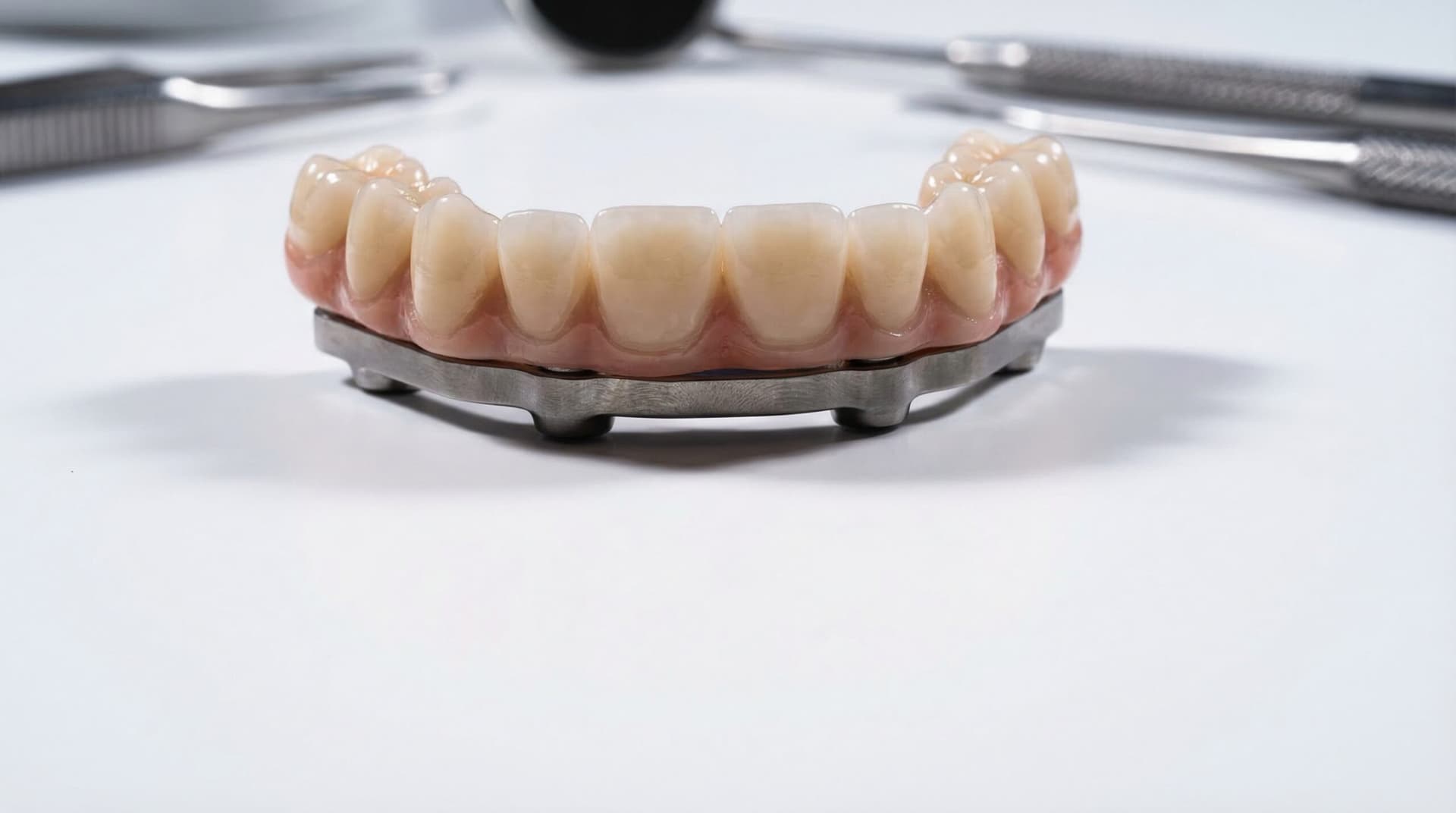
All-on-6 · Permanent Teeth in a Day
Walk in. Walk out smiling. Six implants, not four — built to outlast a single failure.
Explore From $299
Cosmetic Dentistry
Whitening, smile design, makeover. 1,000+ smiles transformed.
Explore From $1,800 / tooth
Veneers
Fix your smile in two visits. Digital smile preview.
Explore From $3,900
Invisalign
Straight teeth in 6–18 months. Nobody has to know.
Explore
Your Surgeon
The doctor in the room is the one who does everything.
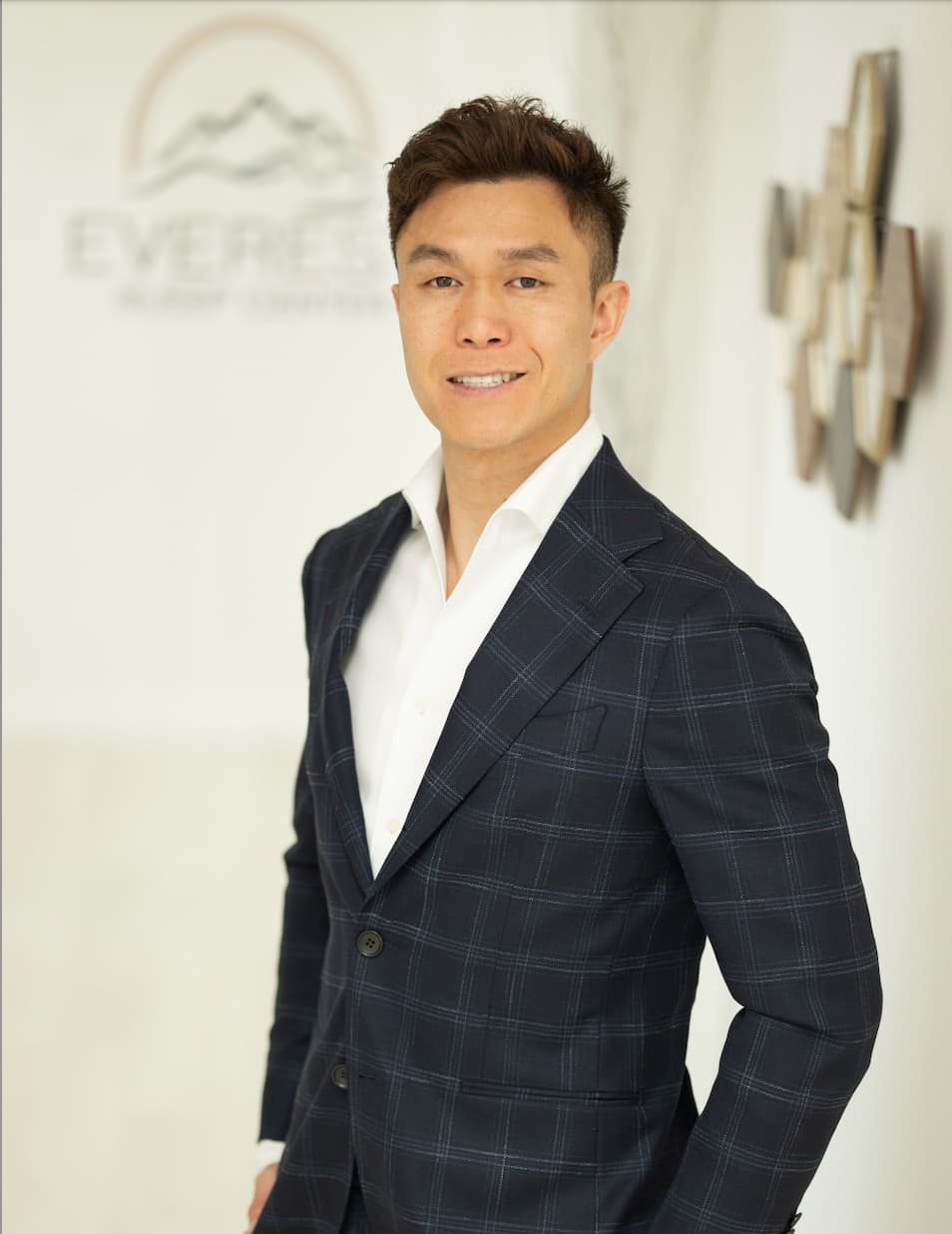
When you book a consult, you're not meeting a sales coordinator. You're meeting me. I'll personally read your CBCT, draft your treatment plan, and quote your exact price — start to finish.
— Dr. Henry Qiu, DDS
UCLA Implant Faculty & Instructor