


We take our time
Every surgery planned and placed by Dr. Qiu personally — no assembly lines, no quotas.
The Only 10-Year Warranty That Covers the Implant Biology
Backed by our 10 Year Warranty on Biological Failure
300+
5 Star Reviews
UCLA-trained
Dr. Henry Qiu, lead dentist
Implant Instructor
DIO Faculty
2,000+
Implants placed
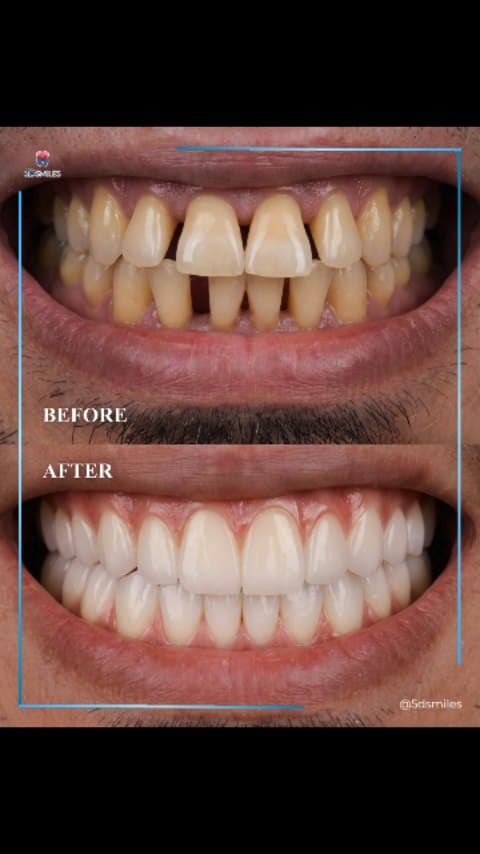
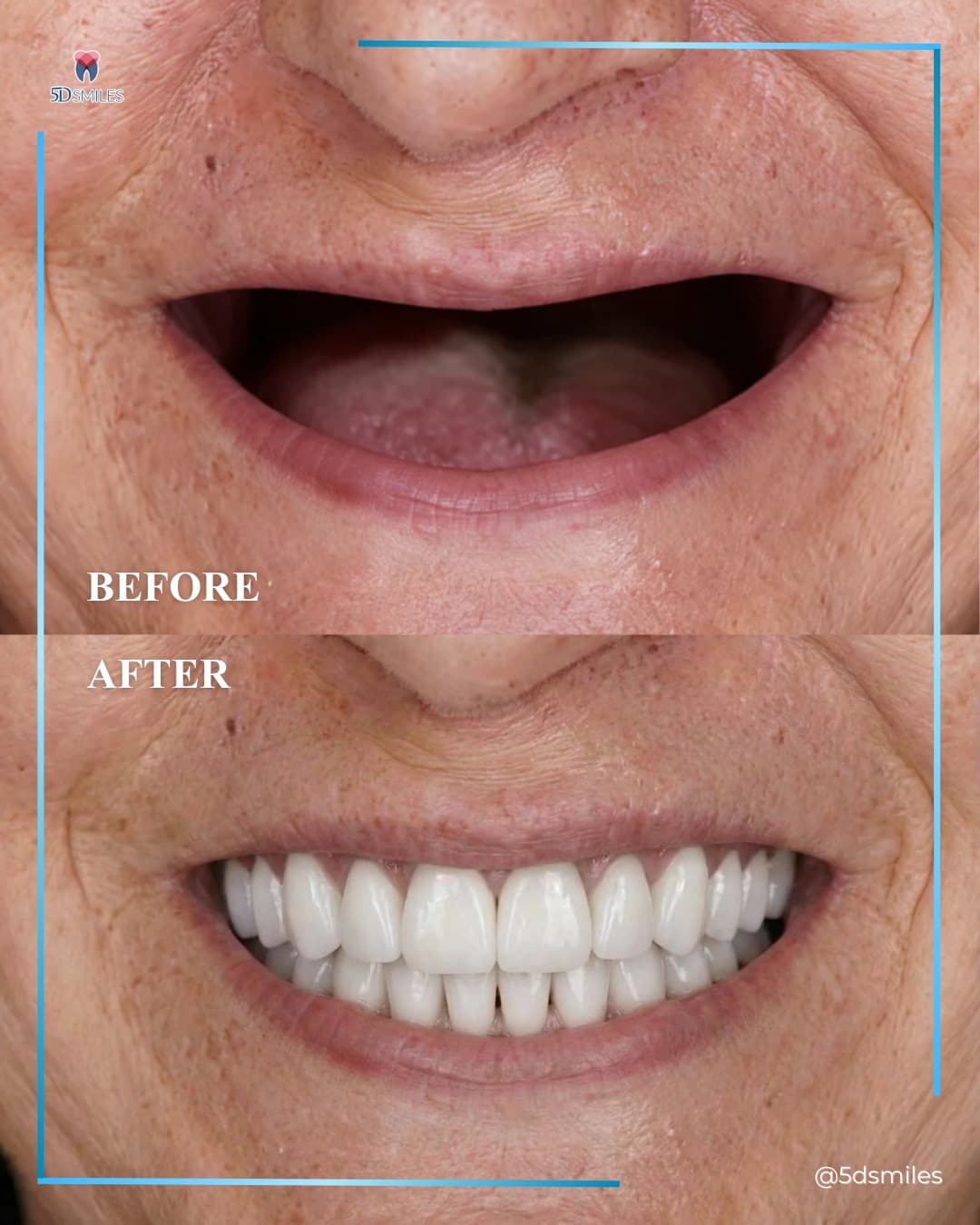
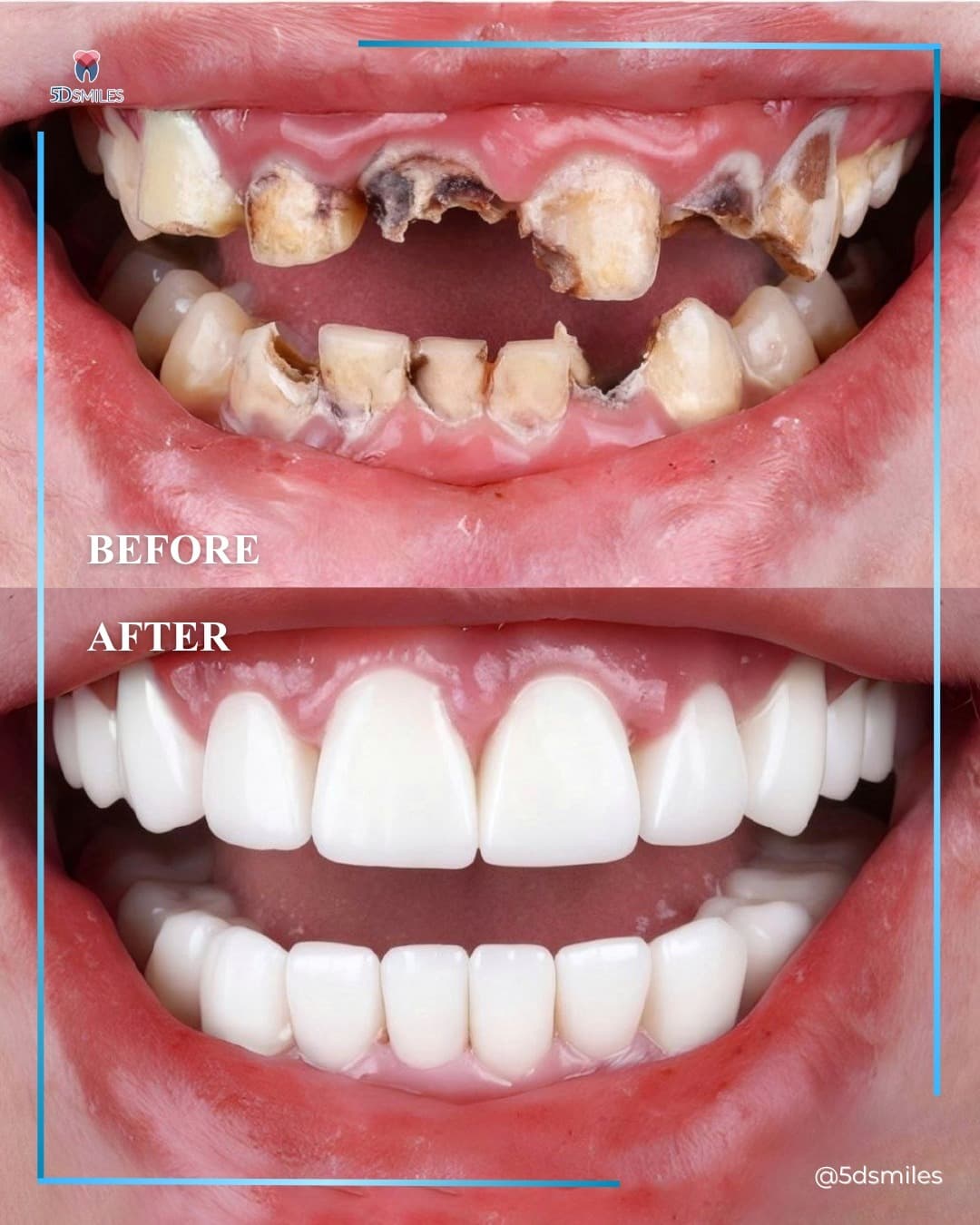
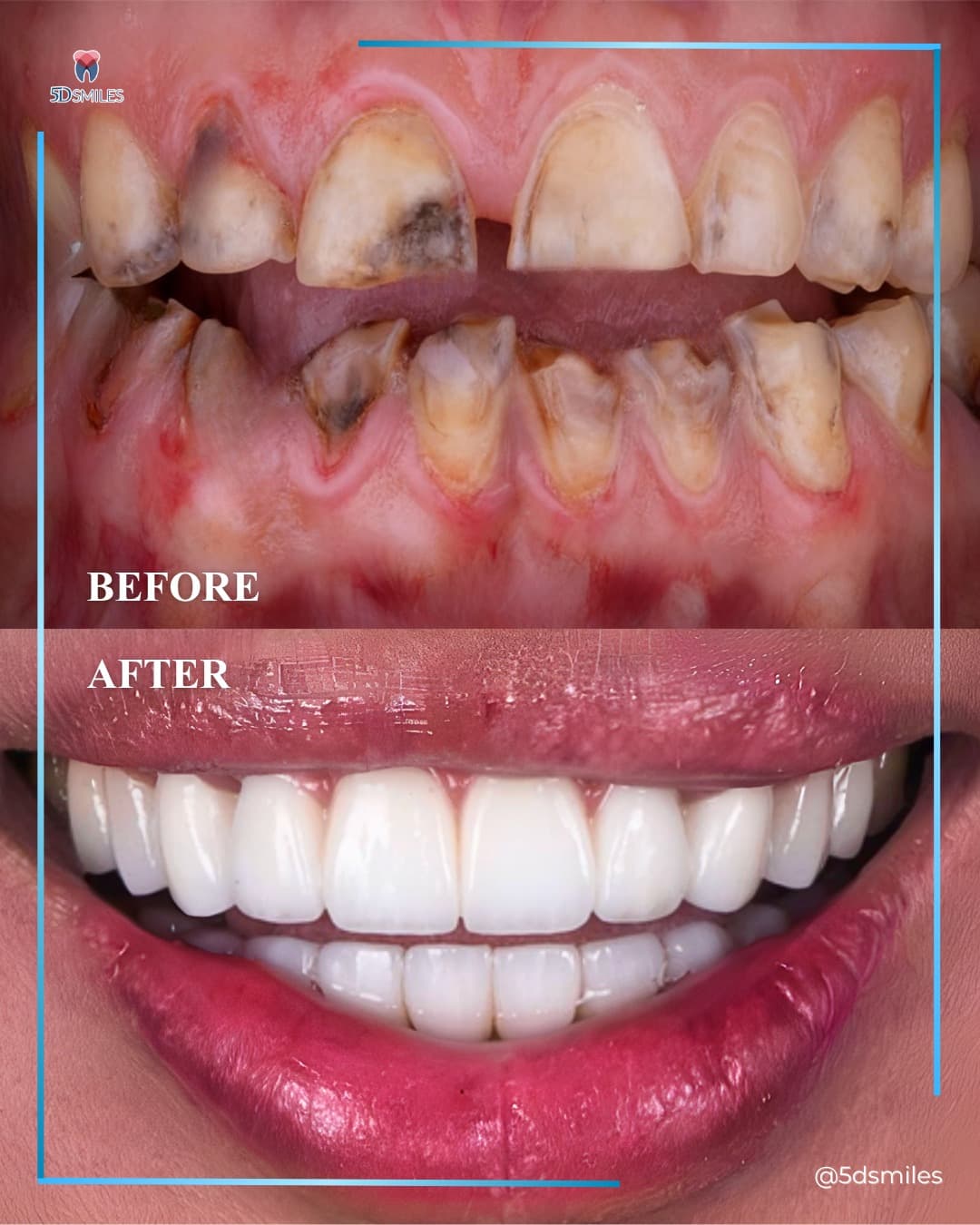
See What's Possible
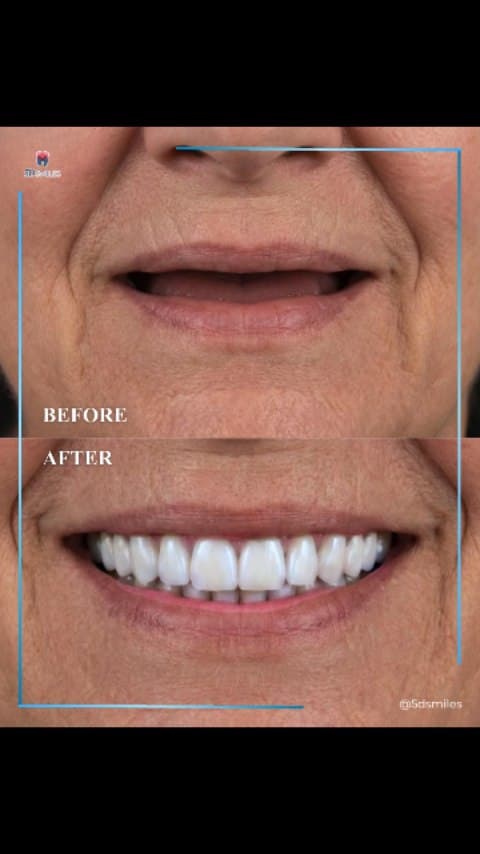
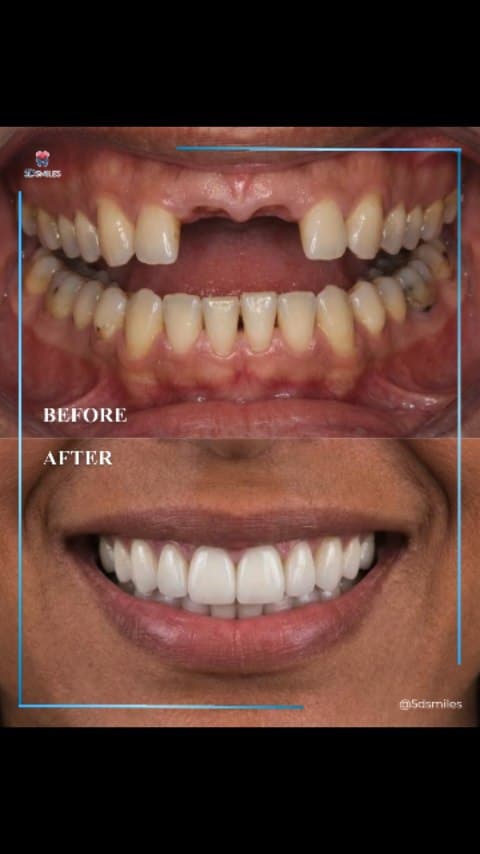
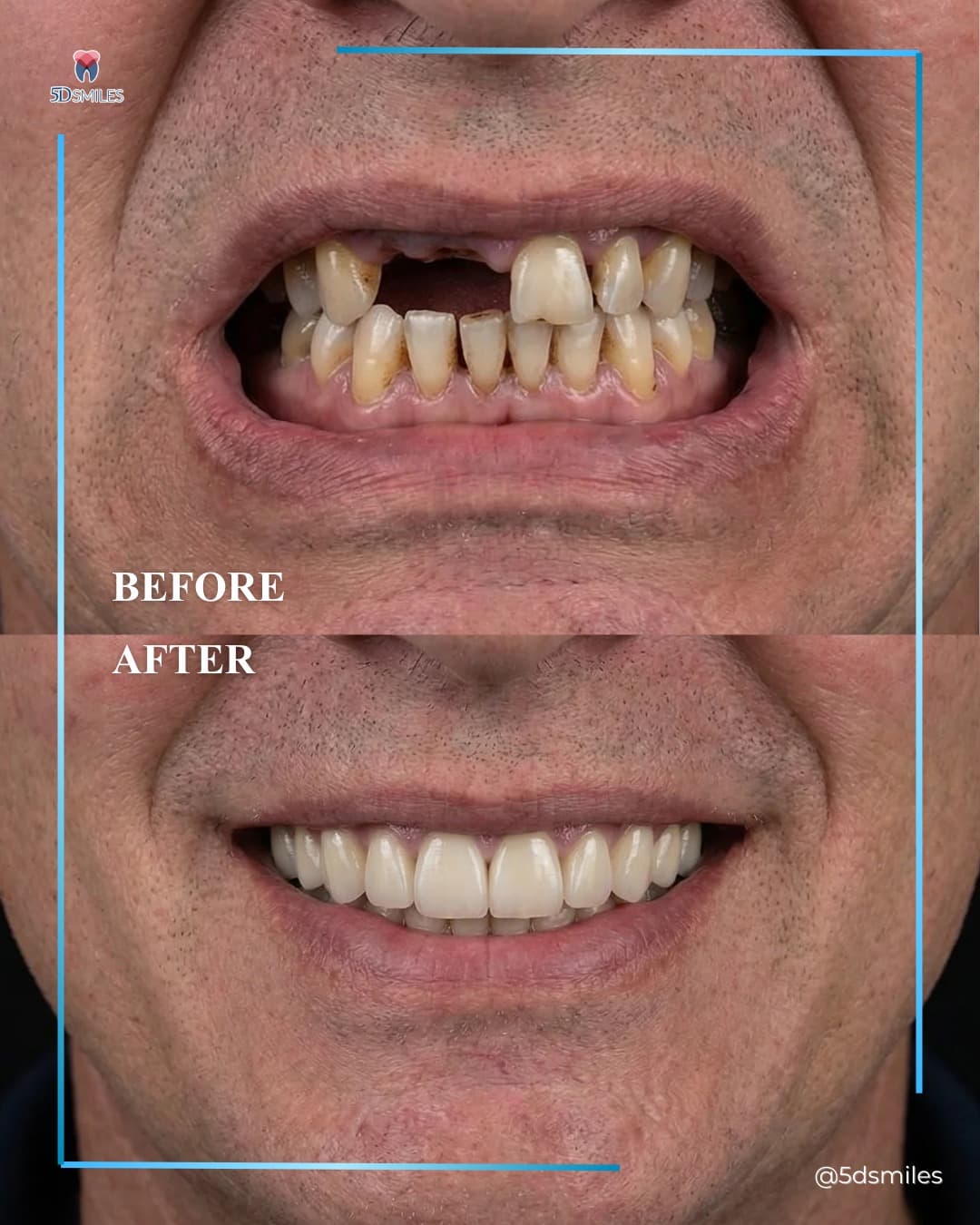
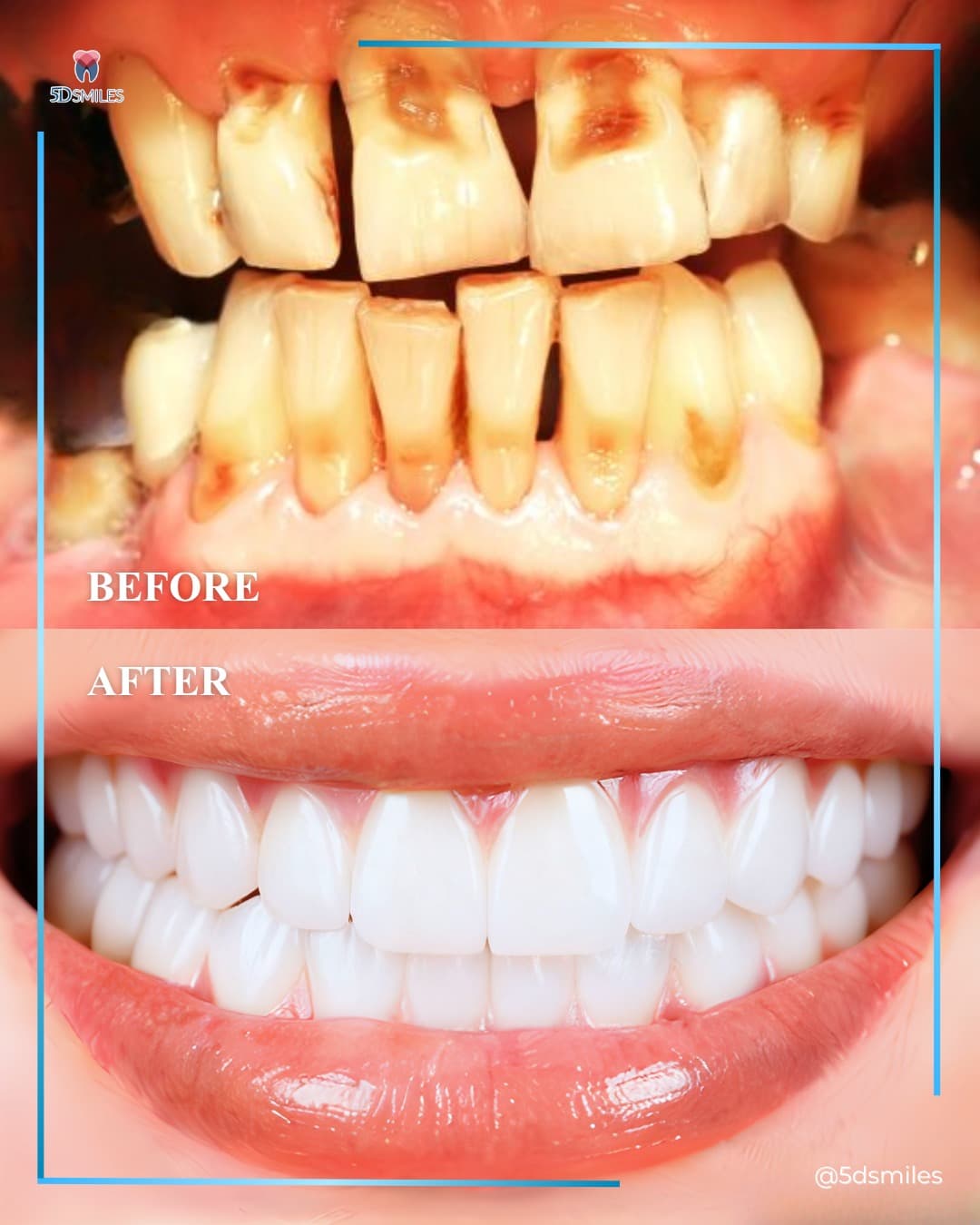
Every smile below was rebuilt by Dr. Henry Qiu personally — start to finish, at our Downey, CA surgical suite.
Treatment options

Cosmetic
Cosmetics & Invisalign
Custom pricing
Custom

Snap-on
Overdentures
all-in
$13,000

Full mouth
All On X Implants
Starts at, per arch
$20,000
We take our time, use advanced techniques and technology, and design every implant to last decades.
Every surgery planned and placed by Dr. Qiu personally — no assembly lines, no quotas.
The Vampire Implants™ Protocol concentrates your own platelet-rich fibrin to support healing and bone integration.
UV-activated titanium implants — photofunctionalization studied in peer-reviewed literature (Ogawa et al., UCLA).
We back the biology — bone, healing, and the redo.
10 years when hygiene stays with us, 3 years if it goes elsewhere. Both tiers cover the porcelain crown. Full terms in the buyer's guide.
I built the Vampire Implants™ Protocol by combining Dr. Ogawa's UCLA UV-activation research with platelet-rich plasma into one protocol. That's why diabetics, smokers, and elderly patients heal like everyone else here.
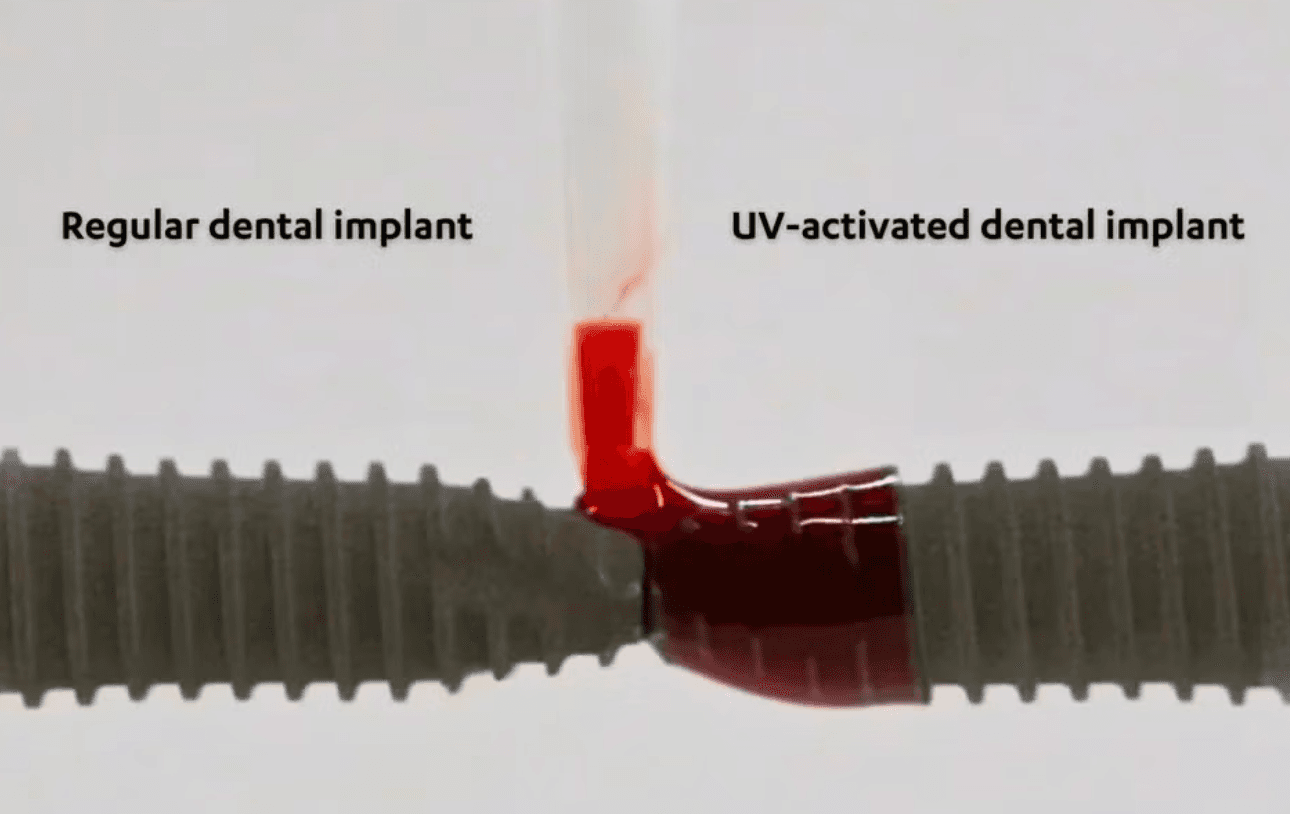
UV-treated vs untreated implant integration (Ogawa et al., UCLA School of Dentistry).
Benefits of Vampire Implants
Source: Ogawa et al., UCLA School of Dentistry (2012, IJOMI). Lab measurements on photofunctionalized titanium implants. Clinical outcomes vary by patient and case.
In every Vampire Implants™ case
| Industry standard | Vampire Implants™ | |
|---|---|---|
| Patient's own PRP applied at placement | Not standard | |
| UV-activated titanium surface | Not standard | |
| CBCT 3D guidance during surgery | Pre-op only | |
| Biology-safe drilling speed (below 47°C bone-death threshold) | Faster pace, thermal risk | |
| 10-year warranty on the biology of the implant* | Crown only |
*10-year coverage requires twice-yearly cleanings at 5D Smiles so we can monitor and prevent peri-implantitis. Patients who get cleanings elsewhere are covered by a 3-year warranty on the same biological failure modes.
The full per-provider comparison is in our Implant Warranty Buyer's Guide — reserve your consult and we'll send it to you.
Financing for every patient
The kind of moves usually reserved for ultra-high-net-worth clients. We open them up for our patients through banking relationships built over years.
Special
0% APR Loans up to
$60,000
HSA/FSA Eligible
Estimate your monthly
months
$150/mo
≈ $4.93 /day
About the price of a daily coffee. ☕
$20,000 at 9% APY, interest-only. $150/mo — principal never amortizes.
4.9 on Google
“I highly recommend 5D Smiles Dental Implant Center. Their professionalism and knowledge made me feel extremely confident in their work. They are beyond qualified and kind. I am always impressed with the quality of their work.”
Joe D
Verified Google review · Feb 2026
“My visit was refreshing and it felt genuine and Dr Qiu is a very professional person with a general concern for your dental needs. Straight shooter that make you feel welcomed.”
Michael Cone
Verified Google review · Feb 2026
“Great experience all around with my appointments. The staff and Dr. Q are so friendly and knowledgeable. They make me not hate the dentist 🥹”
Yesmin Sandoval
Verified Google review · May 2026
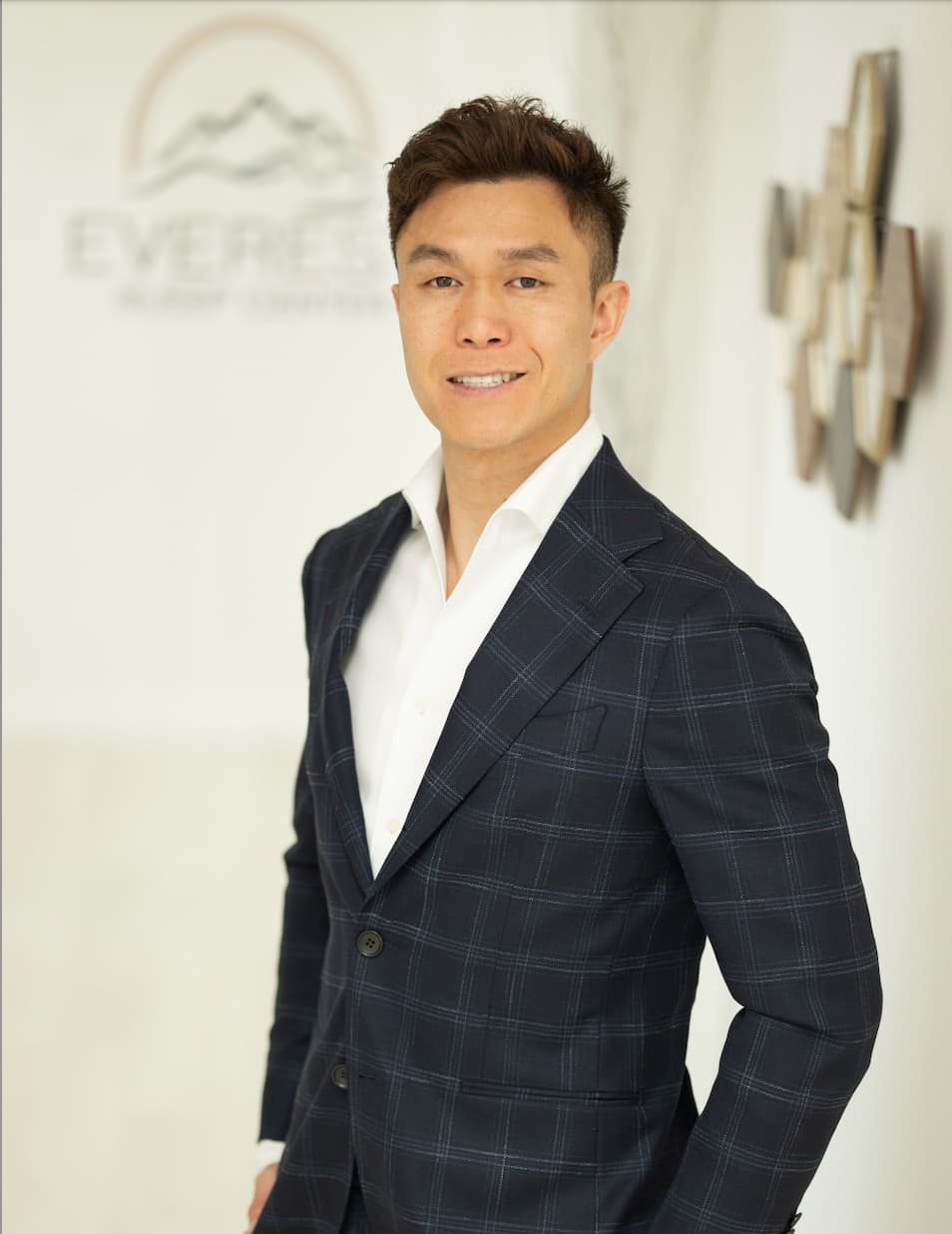
Your Implant Dentist
When you book a consult, you're not meeting a sales coordinator. You're meeting me. I'll personally read your CBCT, draft your treatment plan, and quote your exact price — start to finish.
— Dr. Henry Qiu, DDS
UCLA Trained · DIO Implant Faculty & Instructor
Get answers
Current pricing is on the form at the top of this page — single-tooth implants from $3,500 and full-arch cases from $15,000 (single) or $40,000 (both). Your exact total is confirmed at the consultation after the 3D CBCT scan. Financing available for qualified patients.
The consultation, the 3D CBCT scan, the smile evaluation, and your personalized treatment plan are all included. There is no deposit, no high-pressure close, and no obligation to move forward.
Photofunctionalization — a technique developed at the UCLA School of Dentistry by Dr. Takahiro Ogawa — uses UV light to reactivate the titanium implant surface immediately before placement. UV-treated implants integrate faster with bone and have measurably higher long-term success rates. We photofunctionalize every implant we place.
A proprietary regenerative protocol that uses concentrated PRF and PRP drawn from your own blood — not synthetic membranes or graft material — to support faster healing and reduced post-surgical swelling.
Most patients describe the procedure as far less uncomfortable than they expected. We offer multiple sedation options including IV sedation. Recovery is supported personally — Dr. Qiu's cell number, not a call center.
Many patients qualify for same-day full-arch restoration. Whether you do depends on your bone, your bite, and your overall health — all of which we evaluate at the consultation.
10 years if you're in our hygiene program. 3 years if your cleanings happen elsewhere. Both tiers cover the porcelain crown.
10-year tier requires twice-yearly cleanings at 5D Smiles and covers bone integration, peri-implantitis, and the surgical labor to redo a failed implant (surgery, parts, and lab). 3-year tier covers the same biological failure modes for patients whose cleanings happen elsewhere. Hygiene-based tiering reflects the biology we can monitor — not a network lock-in.
8500 Florence Ave, Suite 100, Downey, CA 90240. Parking on site. We regularly see patients flying in from across Southern California, Las Vegas, and the Bay Area.
Sign up to get your free guide + book your free consult
Step 1 of 3
Free guide by text · 30-min consultation · No deposit · Verified by SMS in 20 seconds